Sample text



SCR Thyristors & Power Devices
SCR Thyristors & Power Devices
SCR Thyristors and Power Devices cover phase-control, stud-type, and disc-type thyristor structures for industrial rectification and power control. The category supports technical selection by voltage, current, surge, gate, mounting, and thermal characteristics.
What Are SCR Thyristors & Power Devices?
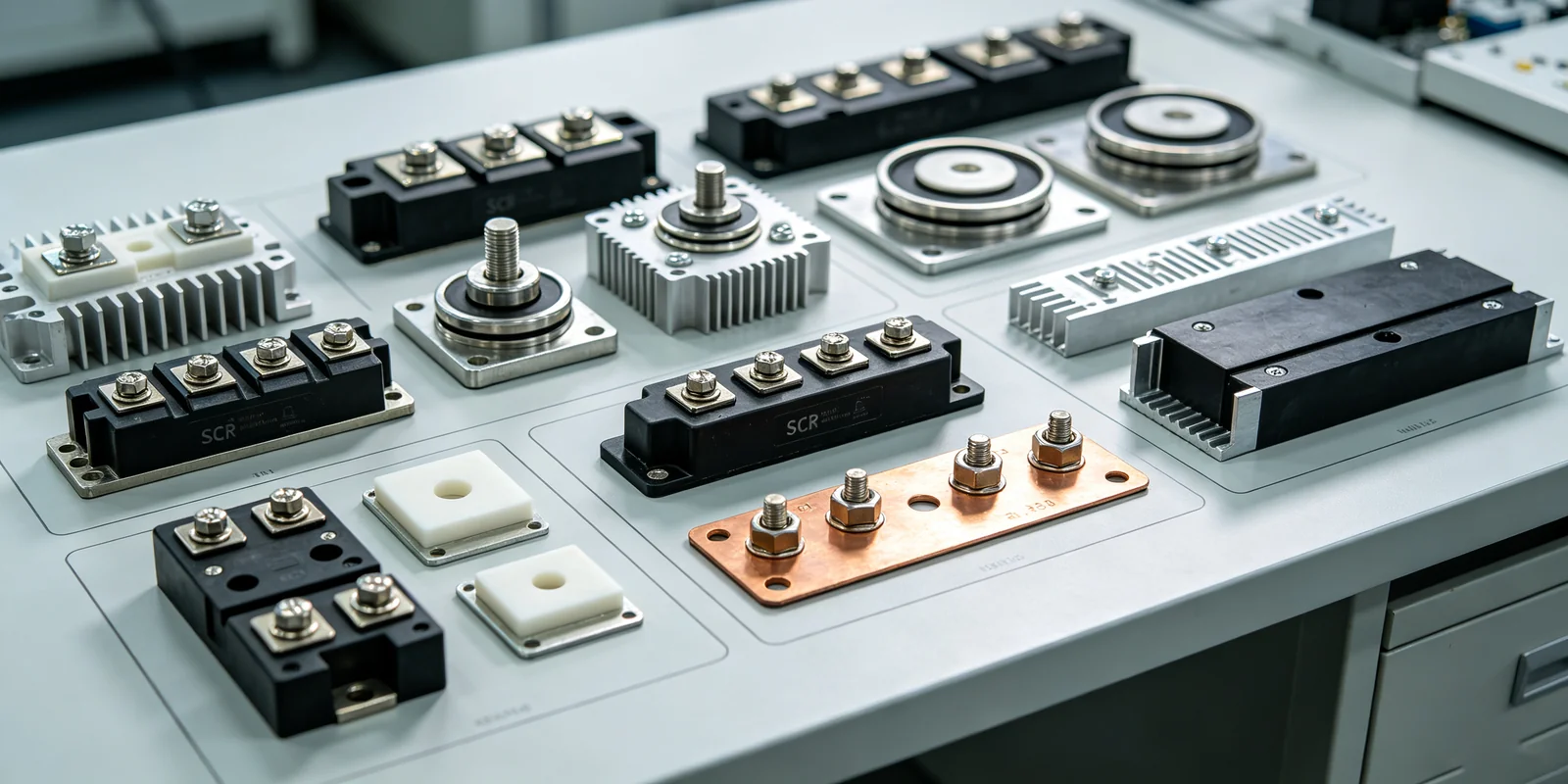
SCR thyristors and power devices cover discrete phase-control, stud-type, and disc-type structures for gate-controlled industrial switching and rectification.
The gate initiates conduction, while device structure, mounting, blocking voltage, current, surge behavior, and thermal conditions define how the thyristor fits the target circuit.
Key Features and Capabilities
- Phase control SCR, stud-type, and disc-type structures
- Voltage ratings from 400V to 8000V
- Average on-state current from 10A to 5000A
- Stud, disc, and press-pack mounting
Typical Applications
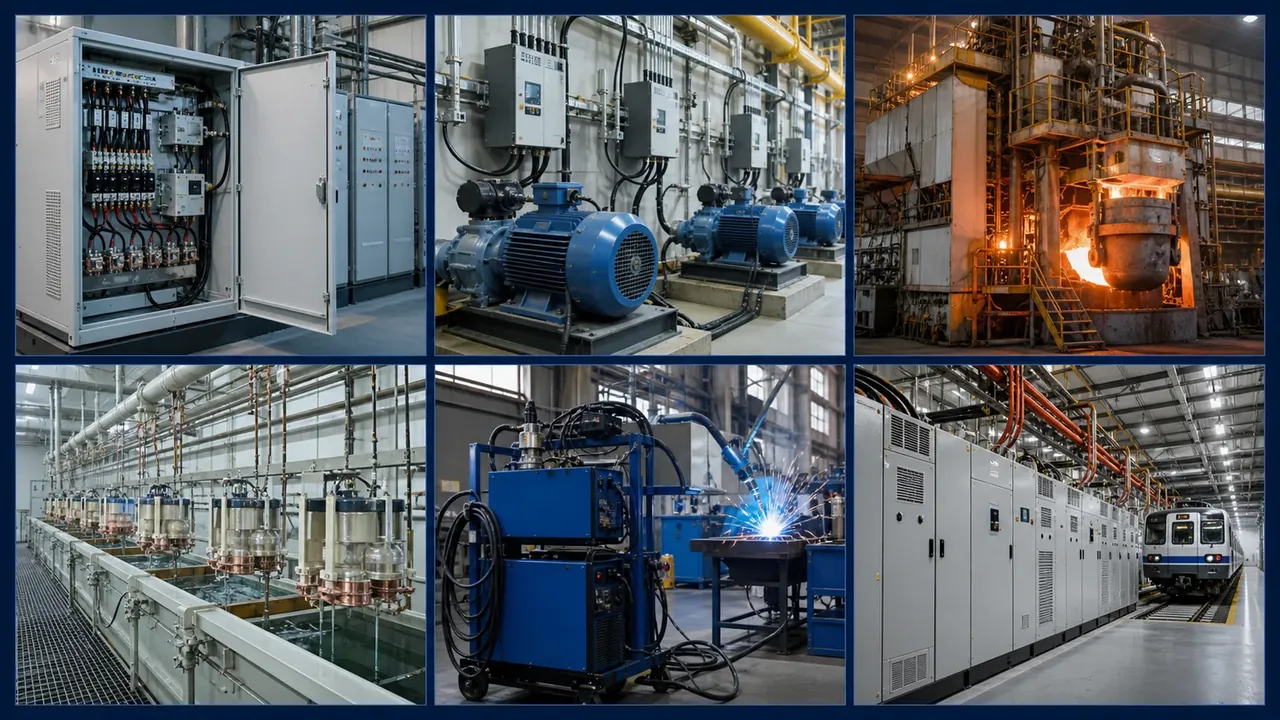
- Industrial rectifiers, where the semiconductor stage converts incoming power for a DC load
- Power control, where the gate signal determines when the device begins conducting
- Motor control, where gate-controlled switching regulates motor power
- Electrolysis power supplies, where controlled rectification supplies an electrochemical process
- Welding power control, where conduction timing regulates the welding power stage
- Railway traction power, where controlled conversion supports railway electrical infrastructure
Typical Specifications
The following values describe typical category-level references. Confirm the available rating combination and operating limits in the model-specific datasheet.
| Parameter | Description | Typical Category Range |
|---|---|---|
| Device Type | Thyristor structure | Phase Control SCR / Stud Type / Disc Type |
| Repetitive Peak Off-State Voltage | VDRM | 400V - 8000V |
| Average On-State Current | IT(AV) | 10A - 5000A |
| Surge Current | ITSM | 200A - 100kA |
| Gate Trigger Current | IGT | 10mA - 500mA |
| Mounting Type | Installation method | Stud / Disc / Press Pack |
How to Select SCR Thyristors & Power Devices
- Confirm the circuit function and configuration required from SCR Thyristors & Power Devices before comparing individual models.
- Compare Device Type, Repetitive Peak Off-State Voltage, Average On-State Current with the operating conditions and design margin required by the target equipment.
- Review Surge Current, Gate Trigger Current, Mounting Type together rather than treating any one category value as a complete model specification.
- Verify mounting, cooling, control, and protection requirements in the selected model or system documentation.
Frequently Asked Questions
1. Which specifications are typically compared for SCR Thyristors & Power Devices?
The supplied category data includes Device Type: Phase Control SCR / Stud Type / Disc Type; Repetitive Peak Off-State Voltage: 400V - 8000V; Average On-State Current: 10A - 5000A. These are category-level references, so the available combination must be confirmed for the selected model or system.
2. Where are SCR Thyristors & Power Devices typically used?
Typical project contexts include Industrial rectifiers, Power control, Motor control, Electrolysis power supplies, Welding power control, Railway traction power. The electrical configuration and operating conditions still need to be matched to the specific project.
3. How should engineers select SCR Thyristors & Power Devices?
Start with the required circuit function, then compare electrical ratings, configuration, mounting, cooling, control, and protection conditions against the model-specific documentation.
4. How should cooling and mounting be checked for SCR Thyristors & Power Devices?
Use the selected model or system documentation to verify the required heat sink or cooling method, mounting arrangement, interface conditions, and installation limits before finalizing the design.
5. What information is needed to request a SCR Thyristors & Power Devices recommendation?
Provide the required circuit function, input and output conditions, load profile, duty cycle, available cooling, mounting constraints, and any control, protection, or communication requirements.
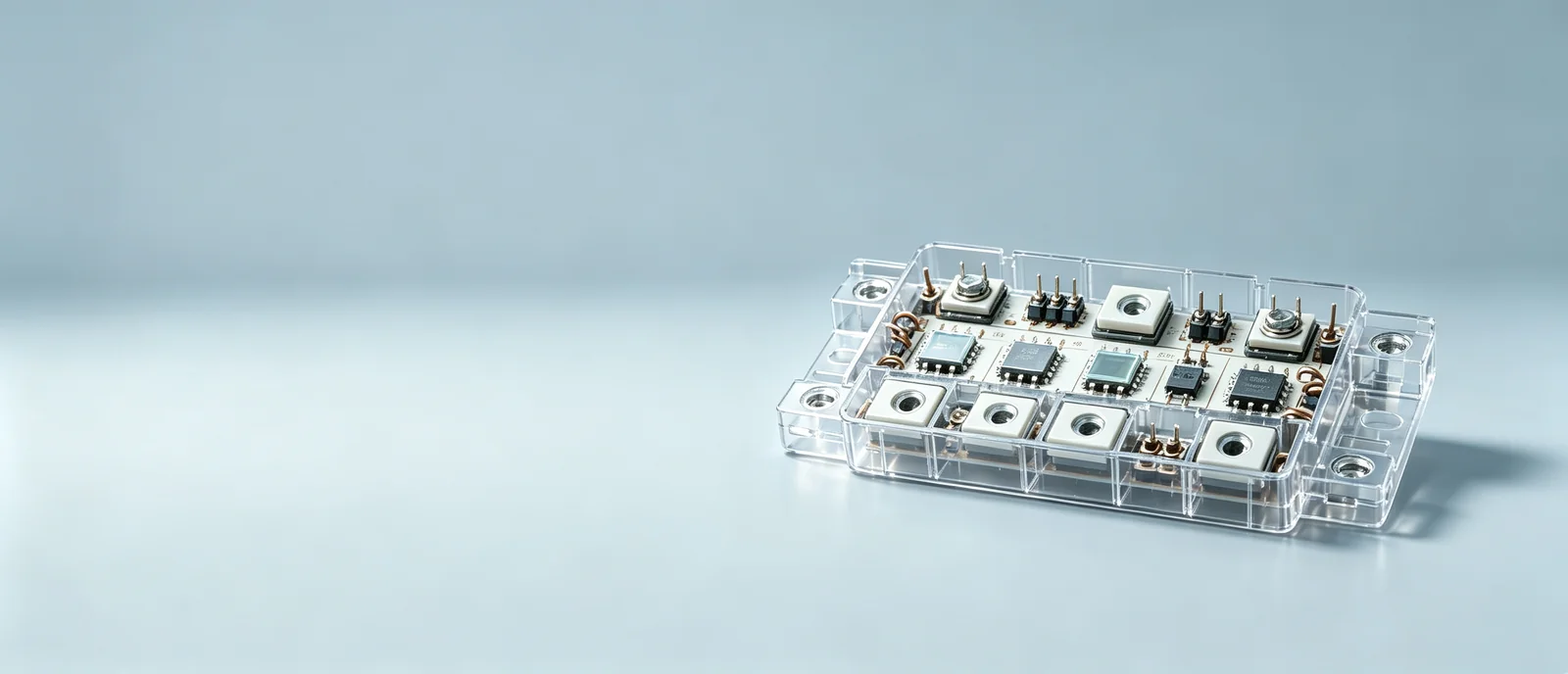
Specifications shown are typical category-level references. Confirm model-specific ratings and operating conditions before selection.