Sample text



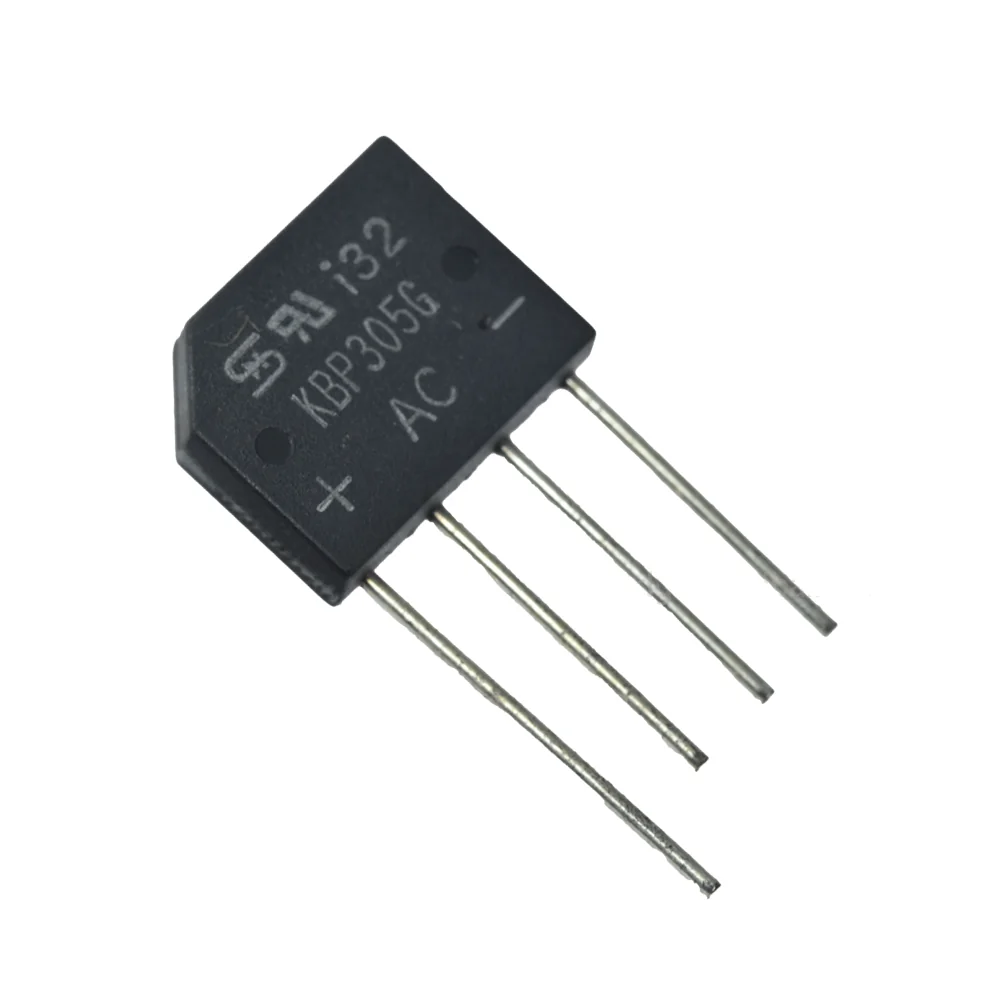
Bridge Rectifier Modules

DEWALT 5-in-1 Multifunction Hacksaw
Comet Pump Pressure Washer Replacement
Bostitch Industrial Gauge 3/4 Pneumatic Proffesiona
AR North America Pressure Washer Pump 4000psi
Annovi Reverberi Pump, 2.2GPM, 2600
DEWALT FlexVolt 60V Max 2.5 Gallon Cordless Air
Crescent 6-1/2 Slip Joint Cee Tee Co
DEWALT 10 Gallon Dust Extractor with Automatic Filter Clean

600W HVLP Spray Gun, Electric Paint Gun With 3Spray

DEWALT 4 Piece Wood Chisel Set Co
Milwaukee M12 12V Lithium-Ion Sub-Compact 1/4 Driver Drill Kit
Unusual Automatic Tying Machine Civil Construction Tools
Bridge Rectifier Modules
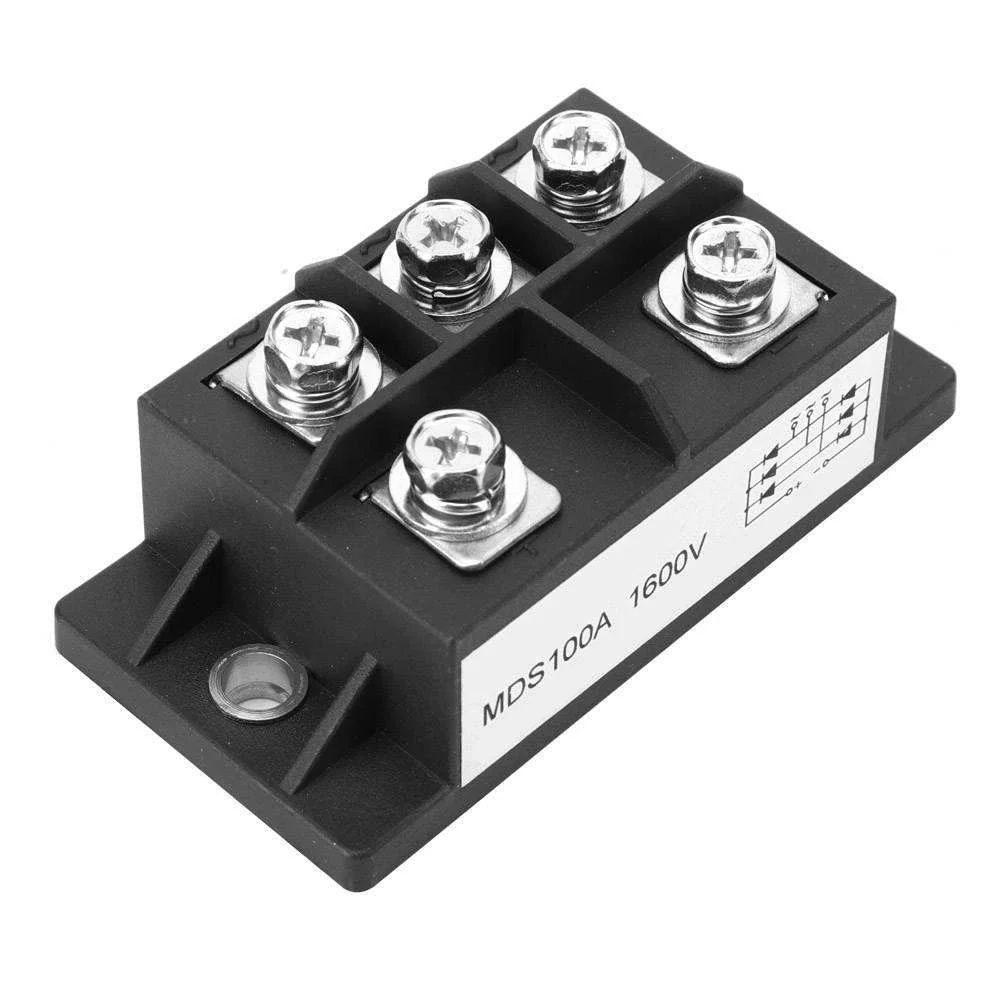
Bridge Rectifier Modules organize single-phase and three-phase bridge solutions for converting AC input to DC output. The category supports current-led selection for power supplies, motor drives, converters, and UPS equipment.
What Are Bridge Rectifier Modules?
Bridge rectifier modules arrange power diodes as a single-phase or three-phase bridge for producing a DC output from an AC input.
Each diode conducts during the appropriate portion of the input cycle, and the complete bridge configuration supplies rectified output to the connected converter, drive, or DC load.
Key Features and Capabilities
- Single-phase and three-phase bridge configurations
- Reverse voltage ratings from 600V to 2500V
- DC output current from 10A to 1000A
- High surge capability
- Panel, PCB, and power-module mounting
Typical Applications
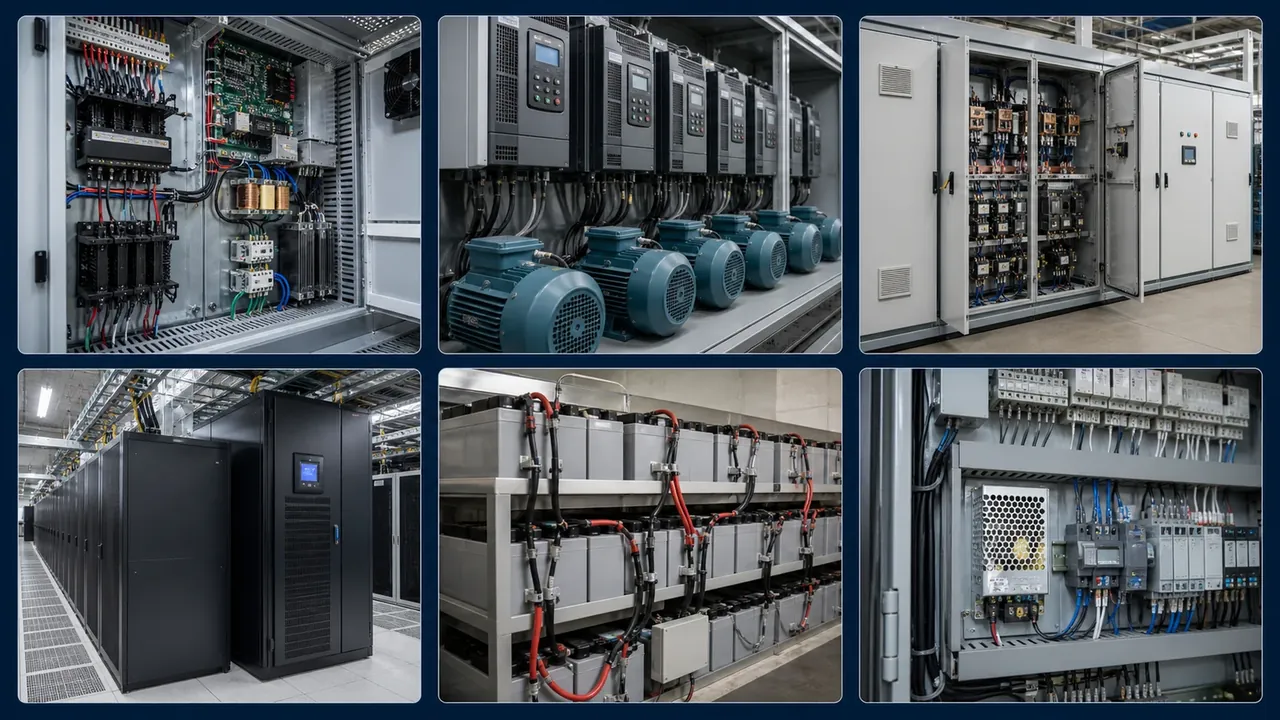
- AC/DC power supplies, where a bridge circuit provides rectified input for the DC supply
- Motor drives, where controlled conduction regulates power delivered to the motor circuit
- Industrial converters, where a bridge rectifier supplies the converter DC stage
- UPS equipment, where the bridge stage supplies rectified DC to the power-conversion system
- Battery chargers, where rectified DC output supports an industrial charging circuit
- Industrial automation power supplies, where bridge rectification supplies automation equipment
Typical Specifications
The following values describe typical category-level references. Confirm the available rating combination and operating limits in the model-specific datasheet.
| Parameter | Typical Category Range |
|---|---|
| Circuit Configuration | Single Phase / Three Phase Bridge |
| Reverse Voltage (VRRM) | 600V - 2500V |
| Output DC Current | 10A - 1000A |
| Surge Current (IFSM) | High surge capability |
| Forward Voltage Drop | Low conduction loss |
| Isolation Voltage | 2500V+ |
| Mounting | Panel / PCB / Power Module |
How to Select Bridge Rectifier Modules
- Confirm the circuit function and configuration required from Bridge Rectifier Modules before comparing individual models.
- Compare Circuit Configuration, Reverse Voltage (VRRM), Output DC Current with the operating conditions and design margin required by the target equipment.
- Review Surge Current (IFSM), Forward Voltage Drop, Isolation Voltage together rather than treating any one category value as a complete model specification.
- Verify mounting, cooling, control, and protection requirements in the selected model or system documentation.
Frequently Asked Questions
1. Which specifications are typically compared for Bridge Rectifier Modules?
The supplied category data includes Circuit Configuration: Single Phase / Three Phase Bridge; Reverse Voltage (VRRM): 600V - 2500V; Output DC Current: 10A - 1000A. These are category-level references, so the available combination must be confirmed for the selected model or system.
2. Where are Bridge Rectifier Modules typically used?
Typical project contexts include AC/DC power supplies, Motor drives, Industrial converters, UPS equipment, Battery chargers, Industrial automation power supplies. The electrical configuration and operating conditions still need to be matched to the specific project.
3. How should engineers select Bridge Rectifier Modules?
Start with the required circuit function, then compare electrical ratings, configuration, mounting, cooling, control, and protection conditions against the model-specific documentation.
4. How should cooling and mounting be checked for Bridge Rectifier Modules?
Use the selected model or system documentation to verify the required heat sink or cooling method, mounting arrangement, interface conditions, and installation limits before finalizing the design.
5. What information is needed to request a Bridge Rectifier Modules recommendation?
Provide the required circuit function, input and output conditions, load profile, duty cycle, available cooling, mounting constraints, and any control, protection, or communication requirements.
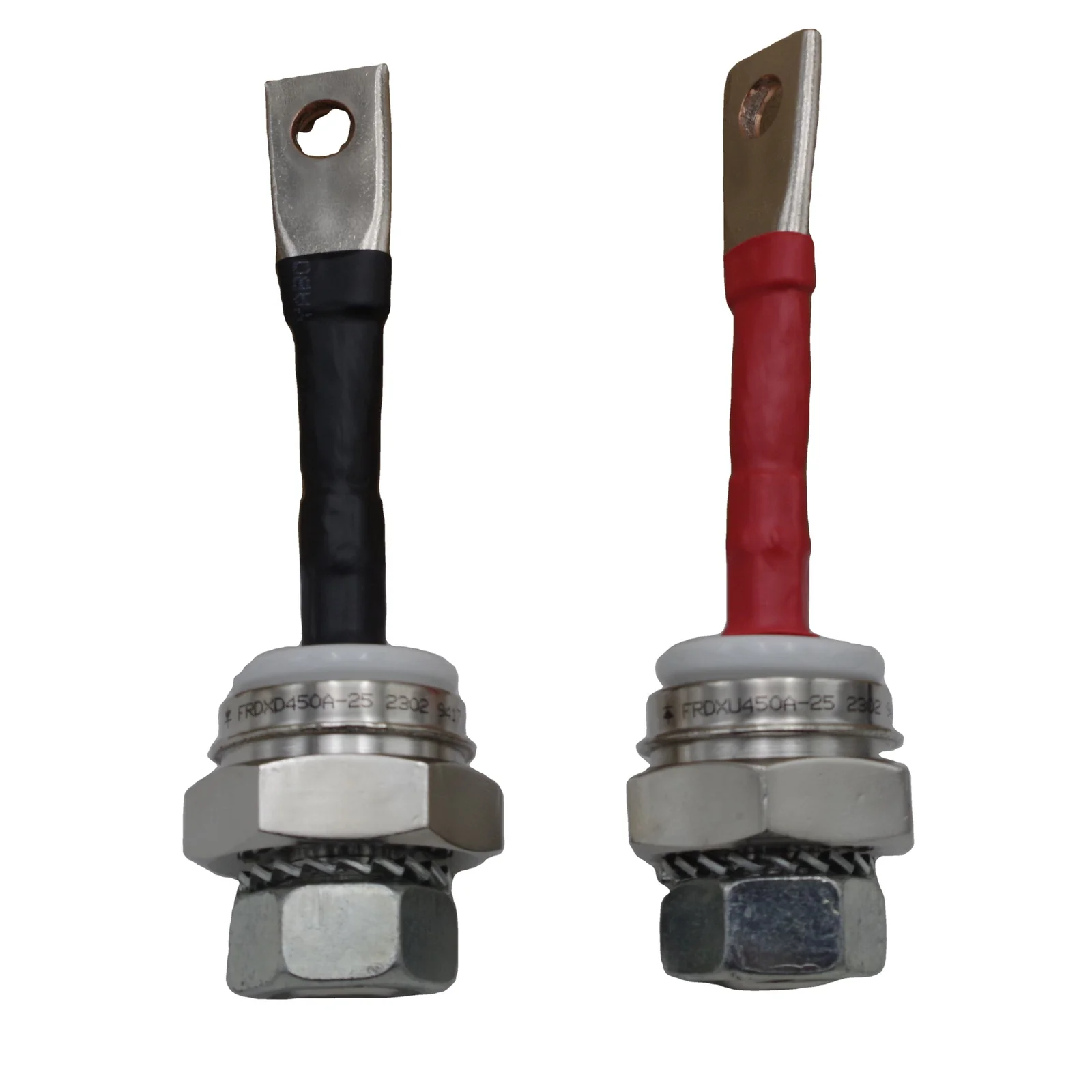
Specifications shown are typical category-level references. Confirm model-specific ratings and operating conditions before selection.